
Мои цитаты из книг
Rejections were part of the learning process, in the tango hall, in the bedroom and in literature. He harboured no grudges.
Главный герой романа Лучано Вальдес - знаменитый писатель. Любая женщина готова упасть в его объятия, помани он только пальцем. Лишь одно омрачает безоблачное существование Вальдеса. Уже год, как он не в силах написать ничего, кроме единственной строчки: "Тощая рыжая кошка перешла улицу". Затяжной творческий кризис влечет за собой депрессию. Но в этот момент Лучано встречает Катерину - юную, страстную, восторженную. Уверенный, что с помощью Катерины он сумеет побороть кризис и снова начать...
"Прижмись ко мне,забудь про то,что танцуешь, и представь, что мы с тобой в постели".
Главный герой романа Лучано Вальдес - знаменитый писатель. Любая женщина готова упасть в его объятия, помани он только пальцем. Лишь одно омрачает безоблачное существование Вальдеса. Уже год, как он не в силах написать ничего, кроме единственной строчки: "Тощая рыжая кошка перешла улицу". Затяжной творческий кризис влечет за собой депрессию. Но в этот момент Лучано встречает Катерину - юную, страстную, восторженную. Уверенный, что с помощью Катерины он сумеет побороть кризис и снова начать...
Commandante Camillo knew a great deal about asking questions. He knew there were times when it was important not to ask a question unless he already knew the answer. He knew there were times when it was important not to ask a question unless he really, really wanted to know the answer. He knew there were times to ask questions when no answer mattered, when the point was not to ask a question but just to have an excuse to hurt somebody – whatever answer they gave. He knew there were times when any answer would do because all he wanted was that moment of defeat and concession and admission and not the information it contained. But Commandante Camillo also knew that, if he wanted to find something out, then the best questions to ask were the shortest ones.
Главный герой романа Лучано Вальдес - знаменитый писатель. Любая женщина готова упасть в его объятия, помани он только пальцем. Лишь одно омрачает безоблачное существование Вальдеса. Уже год, как он не в силах написать ничего, кроме единственной строчки: "Тощая рыжая кошка перешла улицу". Затяжной творческий кризис влечет за собой депрессию. Но в этот момент Лучано встречает Катерину - юную, страстную, восторженную. Уверенный, что с помощью Катерины он сумеет побороть кризис и снова начать...
He put his hand on his yellow notebook and considered opening the cover. He lifted his hand again and reached inside his jacket for a pen, took off the cap, gripped the pen between his teeth just as he had done that morning and opened the notebook. He sat there like that for quite some time, writing nothing.
Not a word.
For a long time.
Mr Valdez was very angry with himself. He knew that his failure to write was nothing more than a failure of will, a moral failure, a deliberate act of laziness and cowardice and stupidity, and it could be overcome by the simple act of writing something. He looked out into the street and he saw a yellow cat, belly down, slinky, hurrying out from the shade of a parked car.
‘The yellow cat crossed the road,’ he wrote. Six words. He examined them. They were not enough. They said nothing. Why did the yellow cat cross the road? Whose cat was it? Where was it going? How could a cat crossing the road become a novel? The whole idea was madness.
Six words of rubbish. He looked again and made a little arrow, upwards, through the line between ‘The’ and ‘yellow’.
Then he added ‘tawny’ and looked again, like an artist stepping back from his canvas. ‘The tawny yellow cat crossed the road.’ It was coming on.
He clamped the pen between his teeth and pondered and then, in a fit of inspiration, he wrote ‘scrawny’.
The scrawny, tawny, yellow cat crossed the road.
He decided on a hyphen. ‘Scrawny-tawny.’ He liked that. Then he hated it. Dismal, pathetic, affected, purple nonsense. Mr Valdez scratched his pen angrily through ‘tawny’.
The scrawny yellow cat crossed the road.
He began to wonder if he had meant to say that, if he might not have scratched out the wrong word. Scrawny. Tawny. Scrawny? Tawny?
Mr Valdez took a sip of coffee. He leaned over his notebook with his head propped on his elbow, fighting down the rage and panic and frustration that were already boiling in his chest. He was close to tears with fury.
Главный герой романа Лучано Вальдес - знаменитый писатель. Любая женщина готова упасть в его объятия, помани он только пальцем. Лишь одно омрачает безоблачное существование Вальдеса. Уже год, как он не в силах написать ничего, кроме единственной строчки: "Тощая рыжая кошка перешла улицу". Затяжной творческий кризис влечет за собой депрессию. Но в этот момент Лучано встречает Катерину - юную, страстную, восторженную. Уверенный, что с помощью Катерины он сумеет побороть кризис и снова начать...
Поезд волочил время, останавливая его перед станциями.

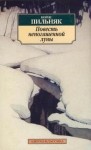
Литературные и политические позиции Пильняка неоднократно приводили к организации широких критических кампаний в отношении него. Его постоянно критиковали за идеологические ошибки, формализм, эротику, мистику и пр. Тем не менее, вплоть до 1937 года Пильняк оставался одним из самых издаваемых писателей. В 1926 году Пильняк пишет «Повесть непогашенной луны» — на основании распространенных слухов об обстоятельствах смерти М. Фрунзе с намеком на участие И. Сталина. «Из неё (книги) можно было понять,...
Теория Маркса о пролетариате скоро должна быть забыта, потому что сам пролетариат должен исчезнуть, – вот, какая моя мысль!.. – а стало быть, и вся революция ни к чему, ошибка, кхэ, истории. В силу того, да, что еще два-три поколения и пролетариат исчезнет – в первую очередь в Соединенных Штатах, в Англии, в Германии. Маркс написал свою теорию в эпоху расцвета мышечного труда. Теперь машинный труд заменяет мышцы. Вот какая моя мысль. Скоро около машин останутся одни инженеры, а пролетариат исчезнет, пролетариат превратится в одних инженеров. Вы скажете, кхэ, да, эксплоатация останется? – да как останется? – мужика, которого можно эксплоатировать, потому что он, как зверь, – его к машине не пустишь, он ее сломает, а она стоит миллионы. Машина дороже того стоит, чтобы при ней пятак с человека экономить, – человек должен машину знать, к машине знающий человек нужен – и вместо прежней сотни всего один. Человека такого будут холить. Пропадет пролетариат!..
Литературные и политические позиции Пильняка неоднократно приводили к организации широких критических кампаний в отношении него. Его постоянно критиковали за идеологические ошибки, формализм, эротику, мистику и пр. Тем не менее, вплоть до 1937 года Пильняк оставался одним из самых издаваемых писателей. В 1926 году Пильняк пишет «Повесть непогашенной луны» — на основании распространенных слухов об обстоятельствах смерти М. Фрунзе с намеком на участие И. Сталина. «Из неё (книги) можно было понять,...
Охламон ответил:
– Посмотреть виды контрреволюции, сестрица.
– Какая ж тут контрреволюция, братец?
– Что касается вас, сестрица, то вы контрреволюция бытовая, – тихо и сумасшедше заговорил охламон Ожогов. – Но вы от меня плакали, – значит в вас есть зачатки коммунизма. Братец же Яков ни разу не плакал, и очень я раскаиваюсь, что не приставил я его в мое время к стенке, не расстрелял.
Литературные и политические позиции Пильняка неоднократно приводили к организации широких критических кампаний в отношении него. Его постоянно критиковали за идеологические ошибки, формализм, эротику, мистику и пр. Тем не менее, вплоть до 1937 года Пильняк оставался одним из самых издаваемых писателей. В 1926 году Пильняк пишет «Повесть непогашенной луны» — на основании распространенных слухов об обстоятельствах смерти М. Фрунзе с намеком на участие И. Сталина. «Из неё (книги) можно было понять,...
Знаете, сколько у нас заведующих приходится на двоих производственных рабочих?
– Нет.
– Семь человек. У семи нянек дитя без глазу. – А гости ваши – контрреволюция историческая.
Литературные и политические позиции Пильняка неоднократно приводили к организации широких критических кампаний в отношении него. Его постоянно критиковали за идеологические ошибки, формализм, эротику, мистику и пр. Тем не менее, вплоть до 1937 года Пильняк оставался одним из самых издаваемых писателей. В 1926 году Пильняк пишет «Повесть непогашенной луны» — на основании распространенных слухов об обстоятельствах смерти М. Фрунзе с намеком на участие И. Сталина. «Из неё (книги) можно было понять,...
Вокруг него спали коммунисты призыва военного коммунизма и роспуска тысяча девятьсот двадцать первого года, люди остановившихся идей, сумасшедшие и пьяницы, люди, которые у себя в подземелье и у себя в труде по разгрузке барж, по распилке дров создали строжайшее братство, строжайший коммунизм, не имея ничего своего, ни денег, ни вещей, ни жен, – впрочем, жены сами ушли от них, от их мечтаний, их сумасшествия и алкоголя. Сейчас эти люди пошли служить на строительство, утверждая, что идеи строительства – их идеи.
Литературные и политические позиции Пильняка неоднократно приводили к организации широких критических кампаний в отношении него. Его постоянно критиковали за идеологические ошибки, формализм, эротику, мистику и пр. Тем не менее, вплоть до 1937 года Пильняк оставался одним из самых издаваемых писателей. В 1926 году Пильняк пишет «Повесть непогашенной луны» — на основании распространенных слухов об обстоятельствах смерти М. Фрунзе с намеком на участие И. Сталина. «Из неё (книги) можно было понять,...
Цивилизацией движет – память! Я не помню вчерашнего дня, значит, я не боюсь смерти, ибо не знаю о ней.
Литературные и политические позиции Пильняка неоднократно приводили к организации широких критических кампаний в отношении него. Его постоянно критиковали за идеологические ошибки, формализм, эротику, мистику и пр. Тем не менее, вплоть до 1937 года Пильняк оставался одним из самых издаваемых писателей. В 1926 году Пильняк пишет «Повесть непогашенной луны» — на основании распространенных слухов об обстоятельствах смерти М. Фрунзе с намеком на участие И. Сталина. «Из неё (книги) можно было понять,...